Traces of the Soviet Empire
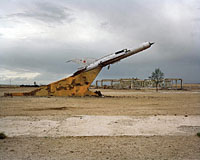
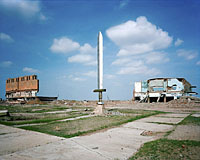
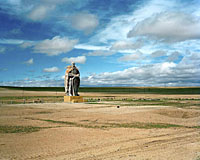
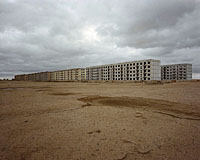
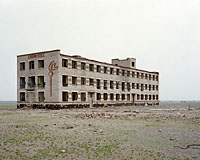
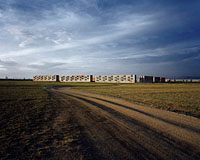
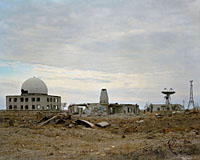
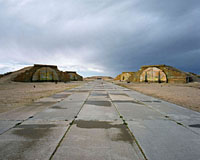
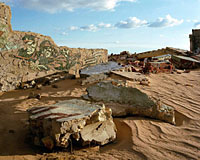
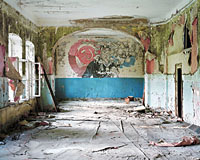
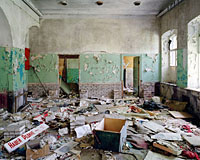
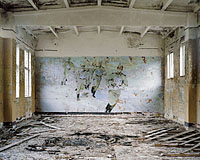
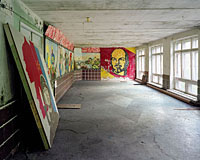
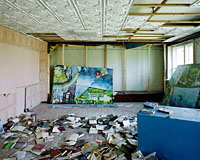
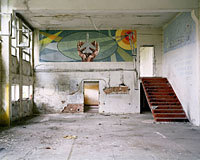
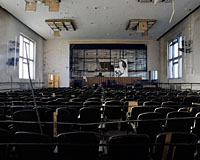
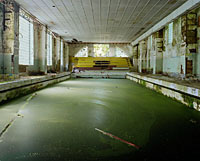
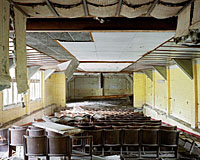
Eric Lusito has travelled as an archaeologist throughout the former Soviet world — from East Germany to Mongolia, from Poland to Kazakhstan — in search of military bases that embodied the ambition and the might of the USSR.
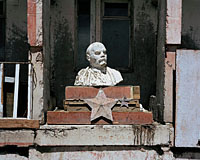
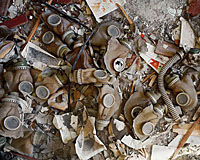
These now decaying military buildings and structures, sites hidden for so long which formed the very heart of the Soviet system, with their symbols of the all-powerful Soviet Empire once seemingly inviolable, illuminate and inform our understanding of the power and influence the military held over the people of the Soviet bloc countries, and in turn they reflect the decay of the Empire itself. Ruins of a recently defunct civilisation, these sites of power are doomed to disappear in the course of time. The military departed but much else was just left behind.
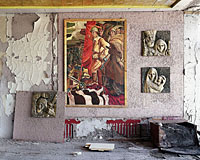
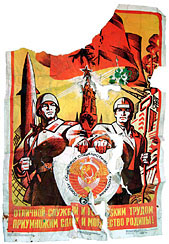
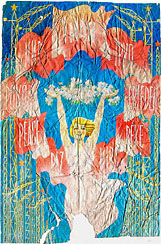
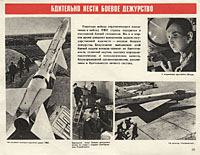
In the Soviet Union more than elsewhere, the feeling of "reality" was built upon ideological representations spun by the political system. This political power had the will and the mastery to harness the talent of artists to rally society together with a totally new Soviet culture. For millions of workers throughout the world, sustained with the image of a "country of bread and roses", their wait implied the building of a dream — but also the building of an inevitable lie caused by the gap between the Eden created by propaganda and the daily reality.
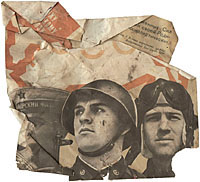
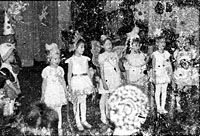
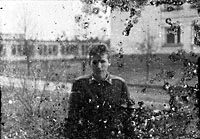
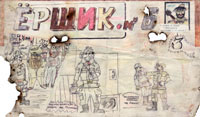
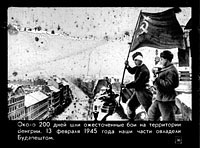
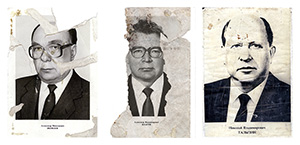
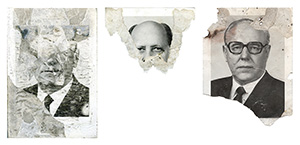
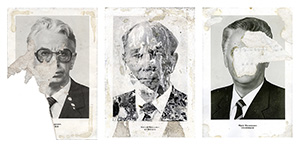
The work is based in the form of a photographic record of the land, architecture and found images — from another time, another space, another world.
A generation after the collapse of the USSR, Traces of the Soviet Empire is a reflection on power and the passage of time.
A rare look at the abandoned military bases of the USSR
— Christian Storm, Business InsiderA disturbing and sobering collection of images of the many faces of the former Soviet Empire. The sheer scale of reductant symbols of a recently defunct civilsation have the aura of an apocalyptic film set.
— Lisa Holden, EyemazingThe scope and historical significance of this project means that it undoubtedly stands out amongst all works on this period of history.
— FotokvartalsLusito’s project is visionary and displays strong craftsmanship. Found images, damaged, torn, faded negatives and prints record the everyday private life of former soldiers and form a moving contrast to Lusito’s colour photographs of empty spaces and buildings, which until recently were inaccessible to outsiders’ eyes.
— FotografiaThere's a total desolation, an eerie nothingness. This emptiness seems symbolic almost of the political and social void created by the collapse of the Soviet Union, the cultural and philosiphical vacancy precipitated by the end of the communist dream.
— The GuardianThe reportage style makes us fell as if we too are there, and yet it is reportage with an artist's eye.
— Roger Hicks, Amateur Photographer MagazineThe mighty have Fallen: elegiac elegance amongst the rubble of Soviet military power.
— Jamie Rann, The Calvert JournalThese haunting photographs, which have so brilliantly captured the crumbling shells of buildings against their stark landscapes, are certainly evocative enough to make us wonder about the people who inhabited them. Wonder - and then some.
— Yohani Kamarudin, Environmental Graffiti
Fine Art Prints:
60 × 75 cm, edition of 5 + 2 AP
100 × 125 cm, edition of 3 + 2 AP